

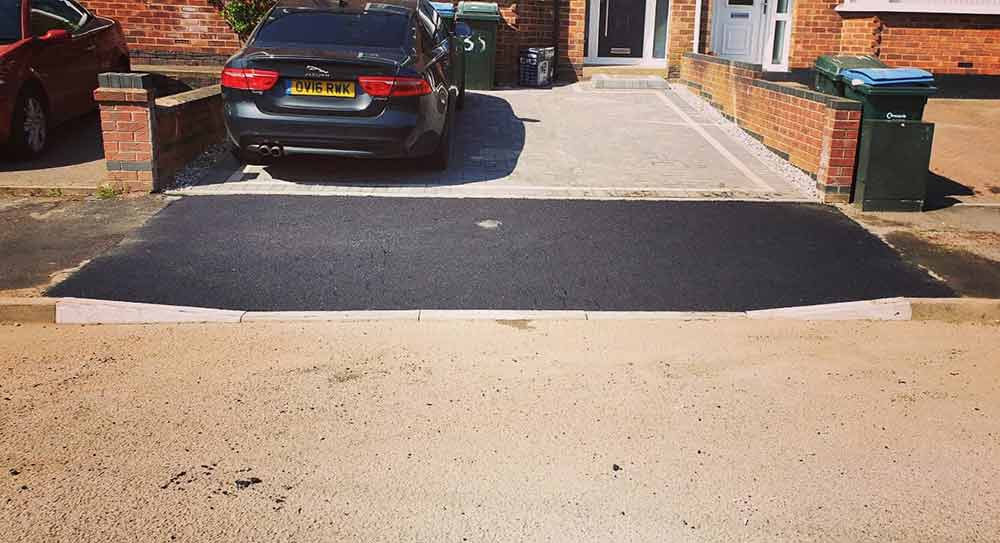
Are you tired of navigating the treacherous terrain between your driveway and the road? Take control of your home’s accessibility by installing your own dropped kerb.
This article will guide you through the legal requirements, necessary tools, and step-by-step process to successfully complete this project. From excavating the area to laying down concrete, we’ll provide detailed instructions for a precise installation.
Get ready to transform your curb appeal and make life easier with your very own dropped kerb.
Legal Requirements for Dropped Kerb Installation
You’ll need to be aware of the legal requirements for installing your own dropped kerb. Before you begin, make sure to check with your local council regarding permits and permissions needed for dropped kerb installation. Different areas may have varying regulations, so it’s essential to understand the specific rules in your location.
Typically, a dropped kerb requires permission from the local authority as it involves altering the public highway. You will likely need to apply for a permit and pay an associated fee. This process ensures that the installation meets safety standards and doesn’t disrupt traffic flow or drainage systems.
If you choose to hire professionals for the job, keep in mind that there will be potential costs associated with professional dropped kerb installation. These costs can vary depending on factors such as materials used, labour fees, and any additional work required for site preparation or excavation.
Understanding these legal requirements and potential costs will help you plan accordingly when considering installing your own dropped kerb.

Necessary Tools and Materials for DIY Dropped Kerb Installation
To complete the DIY dropped kerb installation, you’ll need a few necessary tools and materials.
First, ensure you have a measuring tape to mark out the correct dimensions for your dropped kerb.
You’ll also need a spade or shovel for digging out the area and removing any existing pavement or concrete.
A wheelbarrow will come in handy for transporting debris away from the site.
In terms of materials, you’ll require concrete mix to create a solid base and edging stones to provide stability and delineation.
Additionally, safety precautions must be taken when working on this project. Always wear protective gloves and eyewear to prevent injury from sharp objects or flying debris.
While DIY can be cost-effective, it’s important to consider that hiring a professional for dropped kerb installation ensures expertise in dealing with potential challenges like underground utilities or compliance with local regulations. What is a Dropped Kerb?
Step-by-Step Guide to Installing Your Own Dropped Kerb
Once you’ve gathered the necessary tools and materials, it’s time to begin the step-by-step process of installing a dropped kerb. Here is a detailed guide to help you through the installation:
- Excavation: Start by digging a trench along the edge of your driveway where you want the dropped kerb to be installed. Make sure it is wide enough for the desired width of your driveway and deep enough for proper foundation.
- Foundation: Create a solid base by compacting the soil at the bottom of the trench. Then, add a layer of crushed stone and compact it as well to ensure stability.
- Kerb Installation: Place precast concrete kerbs into position along the edges of your driveway. Use mortar or adhesive to secure them in place, ensuring they are level and aligned properly.
Common Challenges and Tips for Successful DIY Dropped Kerb Installation
Facing challenges during a DIY dropped kerb installation can be frustrating, but with some helpful tips, you can ensure a successful outcome.

One of the most frequent challenges is obtaining the necessary permits and permissions from your local authority. Before starting the project, make sure to research and comply with all relevant regulations.
Another challenge is excavation and removal of existing materials. This task requires precision and careful planning to avoid damaging underground utilities or neighbouring structures.
Additionally, achieving proper drainage is crucial for a long-lasting dropped kerb. Ensure that the gradient allows water runoff and install appropriate drainage channels if needed.
Lastly, maintaining a neat and tidy worksite throughout the process will improve efficiency and safety.
Conclusion
I hope that by now you have come to the conclusion that although it is possible to install your own vehicle crossing, it is extremely difficult and requires many specialised tools.
Why not do yourself a favour and call us, your local council approved drop kerb installer. You know it makes sense!
Call us to get a price quote on a drop-kerb. Contact us today on 07595 510190 to receive a free quote or visit our website.

Do I Need a Dropped Kerb?
Do I Need a Dropped Kerb? Discover why having a dropped kerb is crucial for driveway access in the UK. Legally, in order to use
Can I Object to Neighbours Dropped Kerb?
Like a vigilant guardian protecting the sanctity of your property, you may find yourself wondering if you have the power to object to your neighbour’s

Can I Keep My Caravan On The Road Outside My House Uk?
Imagine the freedom of waking up to the open road right outside your house, with your trusty caravan ready for adventure. In the UK, many
Like a vigilant guardian protecting the sanctity of your property, you may find yourself wondering if you have the power Read more
Do I Need a Dropped Kerb? Discover why having a dropped kerb is crucial for driveway access in the UK. Read more